
Eat Smart,
Live Well:
Smart Meals for Blood Sugar Balance
Explore our comprehensive editorial resource dedicated to low-glycemic salads, balanced meals, and smart food choices for people who want to manage their blood sugar levels naturally through mindful eating. Our team of nutrition writers brings you practical, science-informed guidance in a warm, approachable editorial voice.
Why Mindful Eating Matters
Our editorial platform is built around a simple belief: the right food information, delivered clearly, can transform daily habits and help people feel more energized and in control.
Wide Recipe Library
An ever-growing collection of low-glycemic salads, grain bowls, and balanced meal ideas curated by our editorial nutrition team.
Engaged Reader Community
A growing circle of readers across France and beyond who share stories, tips, and meal ideas in our community space.
In-Depth Editorial Guides
Each article is written to be thorough and practical — from understanding glycemic load to planning weekly meals that nourish without stress.
Trusted Editorial Approach
We strive to uphold clear sourcing standards, fact-check nutritional information, and present well-rounded perspectives in every piece we publish.
Why Low-Glycemic Salads Deserve a Spotlight
The relationship between food and blood sugar is one of the most important yet widely misunderstood areas of everyday nutrition. Many people are surprised to discover that not all "healthy" foods behave the same way in the body — and that a carefully composed salad can be one of the most powerful tools for keeping energy levels steady throughout the day. At Healthyfoodchoicesinfo, we dedicate a significant portion of our editorial work to exploring exactly this topic with nuance and clarity.
Low-glycemic ingredients — such as leafy greens, legumes, non-starchy vegetables, seeds, and healthy fats — have been the subject of extensive nutritional research. Our editorial team synthesizes current guidance from registered dietitians and reputable nutritional bodies to deliver articles that help readers understand not just what to eat, but why certain combinations of ingredients support more stable blood sugar responses after meals.
Whether you're someone who has been advised to monitor their carbohydrate intake or simply someone who wants to eat more intentionally, the principles of low-glycemic eating are broadly applicable and genuinely approachable. Our salad guides, recipe articles, and ingredient breakdowns are designed to make this knowledge accessible — without demanding a background in nutrition science.
Read Our Nutrition GuidesTop Salad & Meal Recipes from Our Kitchen Pages
Hand-picked editorial favourites that showcase flavour, simplicity, and smart ingredient combinations for blood sugar-conscious eating.
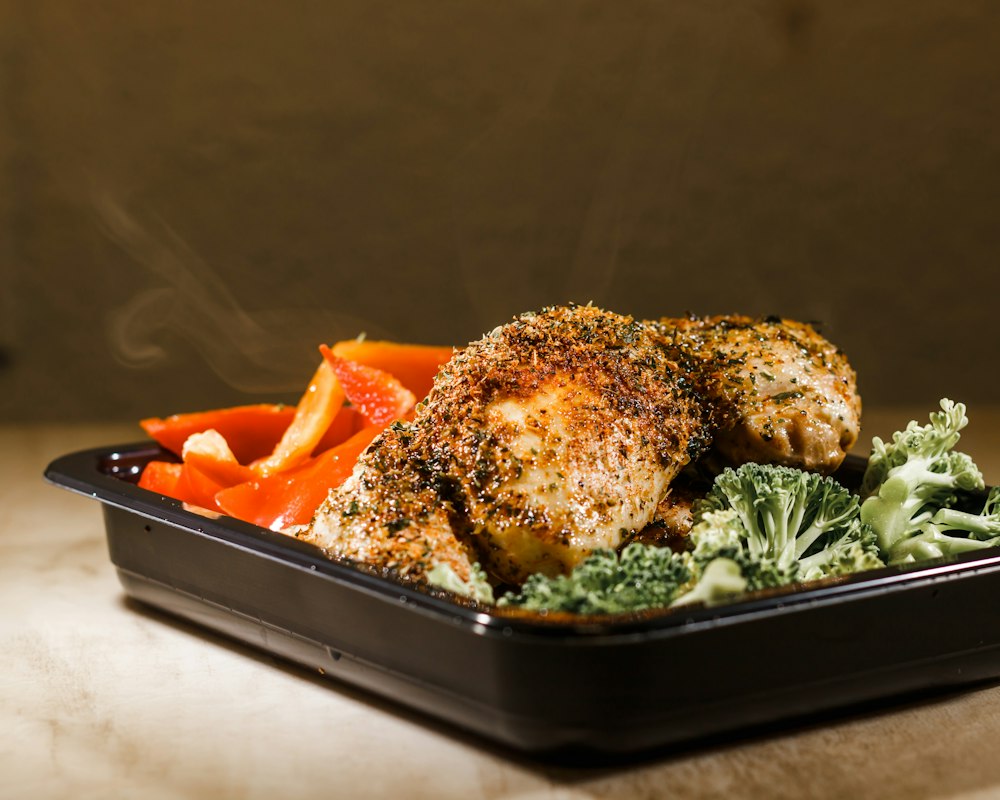
Roasted Pepper & Chickpea Salad with Lemon Tahini
Chickpeas are a fantastic source of plant-based protein and soluble fibre, both of which slow the digestion of carbohydrates and support a more gradual rise in blood glucose. This salad layers smoky roasted peppers with creamy tahini dressing for a richly satisfying meal that keeps hunger at bay for hours.
Read the article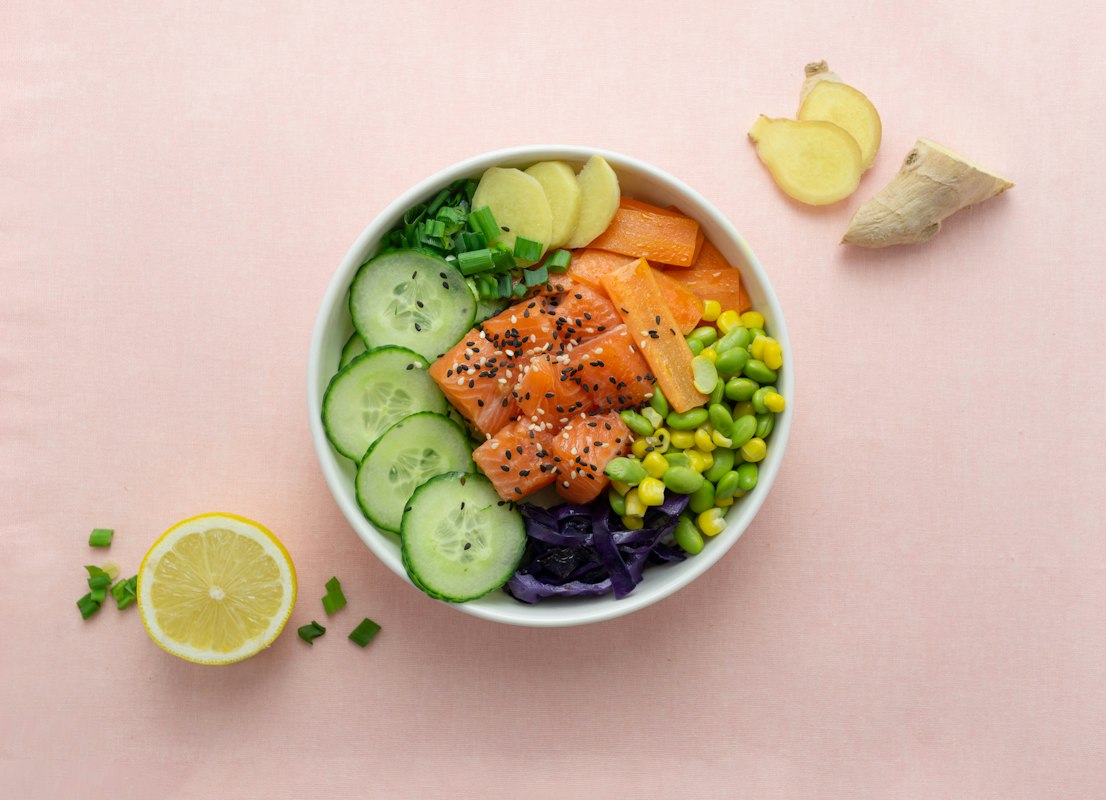
Quinoa, Avocado & Cucumber Bowl with Herb Vinaigrette
Quinoa stands out among grains for its complete amino acid profile and relatively modest impact on blood sugar compared to white rice or refined pasta. Combined with creamy avocado and crisp cucumber, this bowl offers a beautiful balance of healthy fats, complex carbohydrates, and fresh flavour in every forkful.
Read the article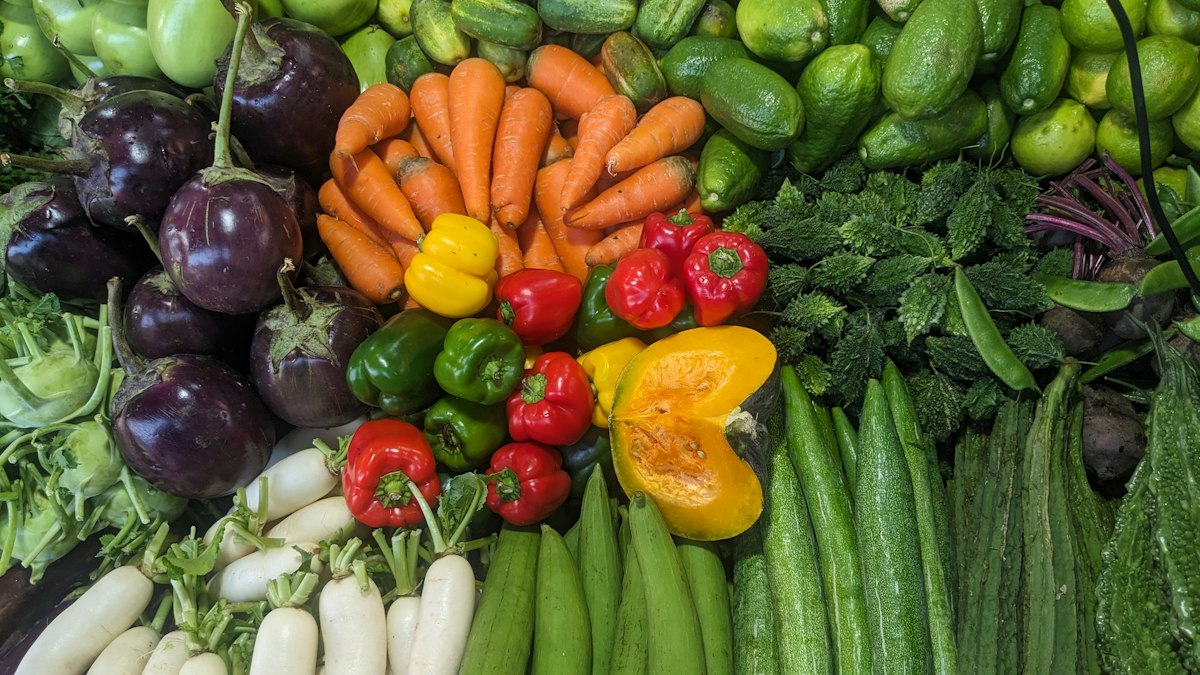
Baby Spinach, Walnut & Goat's Cheese Salad
Baby spinach is one of the most nutrient-dense leafy greens available, delivering magnesium, folate, and vitamin K in abundance with very little carbohydrate content. Paired with crunchy walnuts — a rich source of omega-3 fatty acids — and tangy goat's cheese, this simple salad is a textbook example of low-glycemic eating at its most delicious.
Read the article
Grilled Salmon Plate with Asparagus & Mixed Greens
Salmon is widely praised in nutritional literature for its exceptional omega-3 content and high-quality protein, both of which contribute to better satiety and more stable post-meal energy. Asparagus adds prebiotic fibre that supports gut health, while a bed of mixed greens rounds out this elegant, restaurant-worthy plate that is equally easy to prepare at home.
Read the article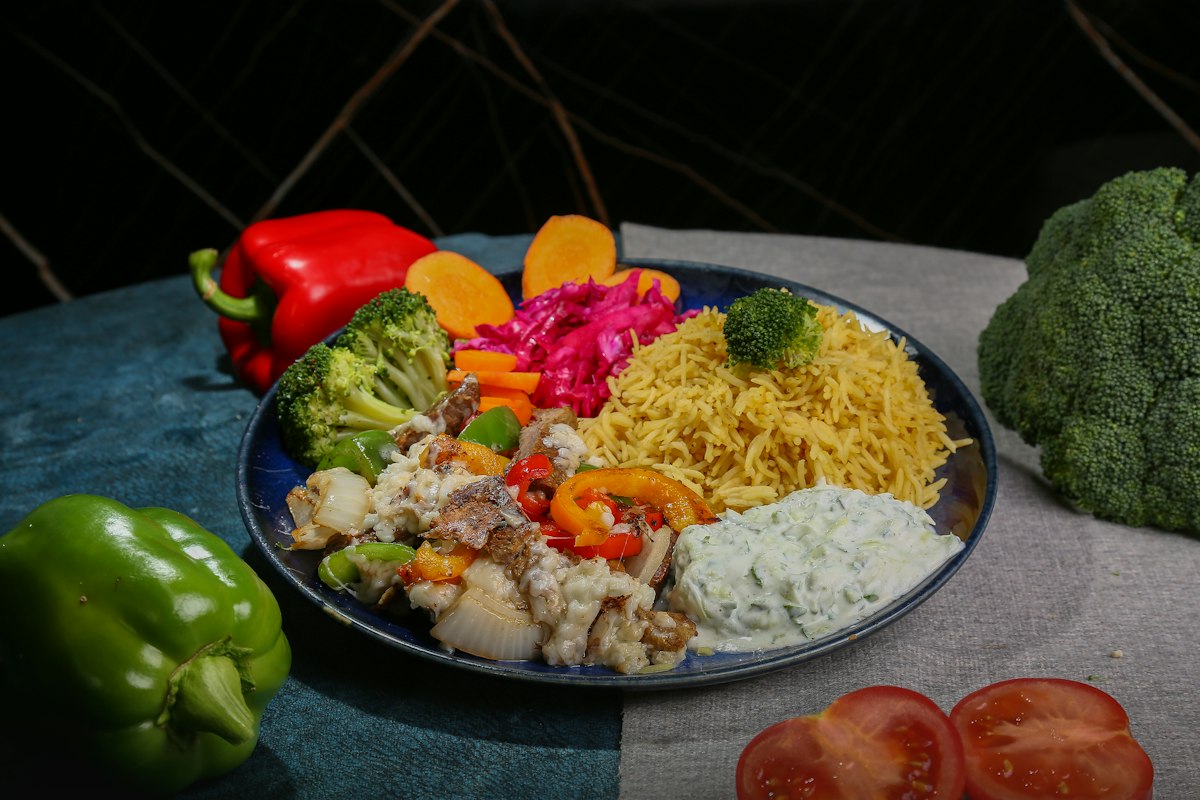
French Green Lentil & Roasted Vegetable Warm Salad
French green lentils (lentilles du Puy) are among the most celebrated pulses in the culinary world and are equally impressive from a nutritional standpoint. Their high fibre content and resistant starch means they digest slowly, offering sustained energy without the blood sugar spikes often associated with higher-glycemic carbohydrates. Served warm with roasted courgette, red onion, and a mustard vinaigrette, this dish is a true French-inspired comfort meal.
Read the article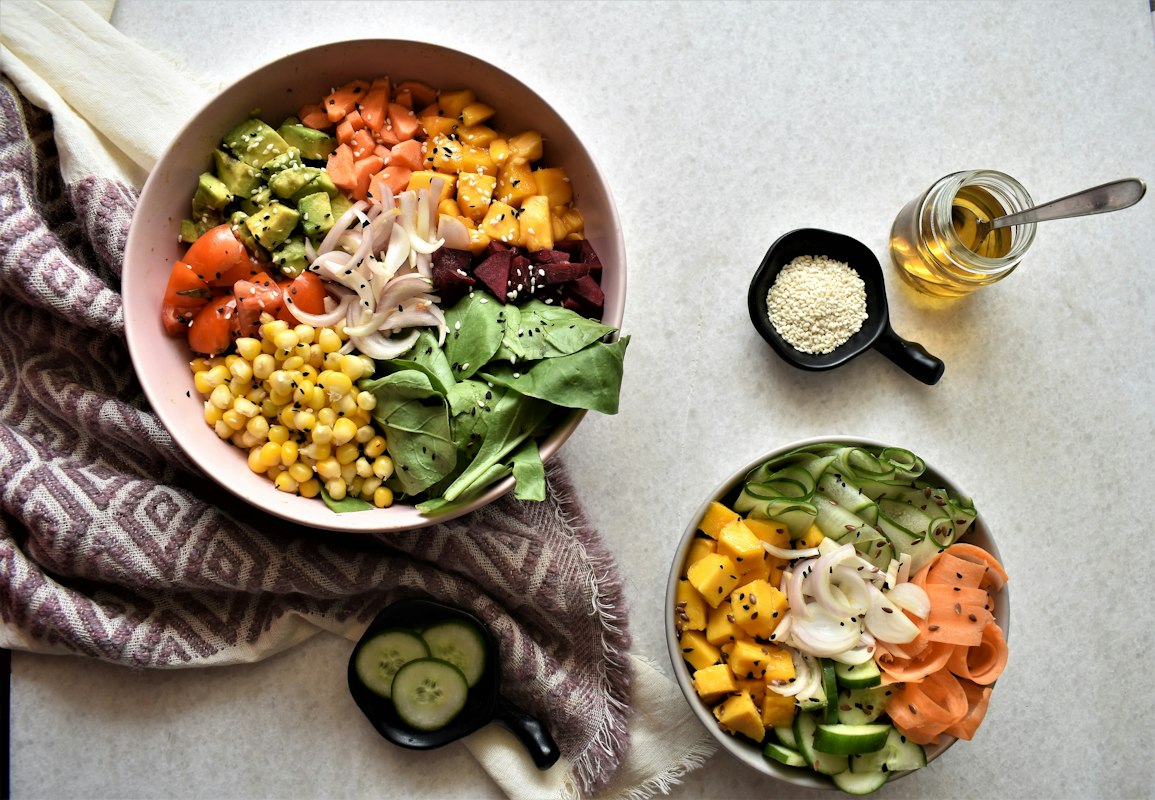
Classic Mediterranean Salad with Olives & Feta
The Mediterranean diet has been extensively studied for its positive associations with cardiovascular health and blood sugar regulation, making it a natural reference point for our editorial team. This classic salad — built on ripe tomatoes, crisp cucumber, Kalamata olives, and crumbled feta — is dressed simply with extra-virgin olive oil and oregano, delivering monounsaturated fats and antioxidants in every bite.
Read the articleReady to Discover More Smart Meal Ideas?
Our blog is updated regularly with new recipes, ingredient spotlights, and practical guides for putting together blood sugar-conscious meals — all written in clear, jargon-free English for readers in France and across the world.
How to Build a Perfect Blood Sugar-Friendly Plate
You don't need to be a nutritionist to put together a well-balanced, low-glycemic meal. Follow these editorial guidelines and let every plate become a step towards more intentional, energising eating.
Fill Half Your Plate with Non-Starchy Vegetables
Non-starchy vegetables such as leafy greens, broccoli, courgette, peppers, green beans, and cucumbers form the foundation of a blood sugar-conscious meal. They are low in carbohydrates, high in fibre, and packed with vitamins and minerals that support overall wellbeing. When you fill half your plate with these colourful ingredients, you naturally reduce the overall glycemic load of your meal while increasing its nutritional value significantly.
Add a Quality Protein Source to Every Meal
Protein plays a critical role in moderating blood sugar responses because it slows the digestion of carbohydrates and stimulates satiety hormones that help you feel full for longer. Excellent choices include grilled fish (particularly oily fish like salmon, mackerel, or sardines), poultry, eggs, tofu, tempeh, legumes such as lentils and chickpeas, and low-fat dairy. Aim to include a palm-sized portion of protein at every meal to support more stable energy throughout the day.
Choose Slow-Release Carbohydrates Thoughtfully
Not all carbohydrates need to be avoided — the key is choosing those with a lower glycemic index that release glucose more gradually into the bloodstream. Excellent options include quinoa, barley, bulgur wheat, sweet potato (in modest portions), whole oats, and legumes. Keep carbohydrate-rich ingredients to roughly a quarter of your plate, and avoid refined grains, white bread, and sugary dressings that can cause rapid spikes in blood sugar even when the rest of the meal is well composed.
Incorporate Healthy Fats for Flavour and Balance
Healthy fats are essential for absorbing fat-soluble vitamins, maintaining hormonal balance, and supporting cardiovascular wellbeing. In salads and meals, they also contribute enormously to flavour and satisfaction. Extra-virgin olive oil, avocado, nuts (especially walnuts and almonds), seeds (flaxseed, chia, pumpkin), and oily fish all provide beneficial monounsaturated and polyunsaturated fats. Use a drizzle of quality olive oil as your dressing base, and scatter a small handful of seeds or nuts over your salads to elevate both taste and nutritional value.
Season Wisely with Herbs, Spices & Acids
The way you flavour your food matters more than many people realise. Certain herbs and spices — particularly cinnamon, turmeric, and fenugreek — have been studied for their potential role in supporting blood sugar balance, though it's important to appreciate them as culinary additions rather than standalone solutions. Lemon juice, apple cider vinegar, and other acidic dressings can also modestly blunt blood sugar responses when used as part of a meal. Avoid bottled dressings loaded with sugar and salt, and instead make simple vinaigrettes at home using olive oil, lemon, mustard, and fresh herbs.
Stay Hydrated and Mind Your Meal Timing
Hydration is a frequently overlooked aspect of blood sugar management — drinking sufficient water throughout the day supports kidney function and helps the body regulate glucose levels more efficiently. Herbal teas such as chamomile, green tea, and cinnamon tea make excellent low-sugar beverage choices between meals. Meal timing also plays a role; eating at consistent times each day and avoiding very long gaps between meals can help prevent energy crashes and unnecessary snacking on high-sugar foods. Our editorial team explores these topics in depth across our blog and nutrition guide sections.